About the Programme
We foster industry-wide collaboration engaging with our Partners to share best practice, learnings and collaboration across all ranks in a company, from the CEO to the frontline workers all playing a part to strengthen safety leadership across the maritime sector.
Leadership
Leadership is one of the four foundational pillars of the MPinS - Maritime Partners in Safety Programme, alongside Learning, Care for People, and Safety Performance Culture. It is not just about authority, it’s about visible, felt, and effective engagement that drives safety outcomes across the maritime sector. Leadership in MPinS - Maritime Partners in Safety is tightly linked to learning and systemic improvement. Leaders are expected to model a learner mindset, encouraging reflection and open dialogue about safety risks. They help embed Human Performance principles, avoiding blame whilst focusing on improvements by recognizing that errors are natural and systems should be designed to mitigate them
Visible & Felt Leadership
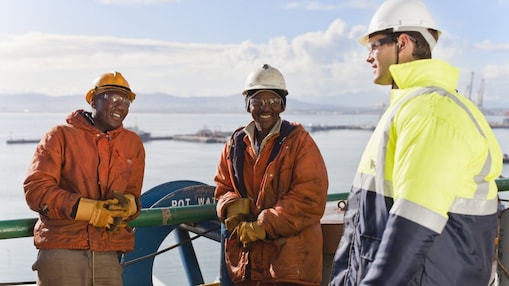
Leaders are expected to engage directly with frontline crews, not just through directives but through presence, such as vessel visits by CEOs and senior leaders.
Safety Conversations
Senior leaders are encouraged to lead safety discussions personally, demonstrating commitment through consistent and meaningful actions.
Empowerment & Trust
Partners are given autonomy to shape their own vessel visit schedules and leadership engagements, fostering trust and ownership
By working together and learning from one another, the Maritime Partners in Safety Programme empowers individuals and organisations to embrace best practices deepening a winning performance culture driving meaningful and lasting improvements in safety culture together.
Learning
Learning is a core pillar of the Maritime Partners in Safety Programme, underpinning our commitment to continuous improvement and safer operations across the maritime industry. By openly sharing knowledge, experiences, and lessons learned, we enable individuals and organisations to strengthen safety performance and prevent incidents before they occur.
At MPinS - Maritime Partners in Safety, learning goes beyond training, it is about fostering a culture where curiosity, reflection, and knowledge-sharing are actively encouraged. Partners are supported to learn not only from their own experiences, but also from the wider industry, creating a collective approach to improving safety outcomes.
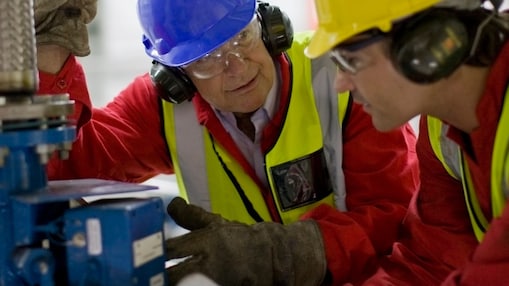
Key elements of Learning within MPinS - Maritime Partners in Safety include:
- Sharing Best Practice - Partners actively exchange insights, case studies, and lessons learned across the network, helping to elevate standards across the industry.
- Learning from Events - Incidents, near misses, and everyday operations are used as opportunities to learn, focusing on understanding underlying causes rather than assigning blame.
- Collaborative Learning Platforms - Webinars, workshops, and conferences enable participants at all levels to engage, contribute, and learn from one another.
- Continuous Improvement Mindset - Organisations are encouraged to embed learning into daily operations, driving ongoing reflection, feedback, and enhancement of safety practices.
By creating an environment where learning is valued and shared, the MPinS - Maritime Partners in Safety Programme empowers its Partners to adapt, improve, and work together towards a safer and more resilient maritime industry.
Care for people
We are committed to creating a zero-incident industry where every seafarer returns home safely to their loved ones. When seafarers enjoy good physical and mental health, and feel safe and cared for at work, crews are happier, more motivated, and experience fewer accidents and incidents.
Each of us plays a vital role in making our ships safer and more positive places to work. The short video below introduces the Maritime Wellbeing programme, along with practical tips, tools, and strategies to enhance and raise awareness of both mental and physical health.
The programme focusses on *six areas* that our research shows have the biggest impact on seafarers’ wellbeing.
| The leadership | The individual |
|---|---|
| It’s important for leaders to set a supportive tone and culture onboard, as well as have the skills to recognise issues around mental health and know how to deal with them. | It’s helpful to know how we can build our mental and emotional strength to cope better. If life feels too difficult though, it’s OK to say, “I’m not OK” and find help. When things are hard, using the support of people close to us (e.g. family, friends, colleagues etc) can make a big difference to improving mental health |
| The role | The environment |
|---|---|
| Whatever our rank, the work we do onboard (e.g. how much work we are given, the tasks we do, levels of responsibility, how we are rewarded for our work, job security etc.) can all affect our mental health – in both good ways and bad. | There are some things about life onboard that can impact our mental wellbeing but cannot always be controlled, e.g. delays to returning home, heat in the engine room, vibrations etc. To help our mental wellbeing, it is good to focus on things like food, exercise and sleep, which will make us feel healthy. |
| The team | The advocate |
|---|---|
| Being an involved member of the crew, by looking out for others to make sure everyone feels welcome and included in life onboard, can really help mental wellbeing. | To make real lasting changes, it is important that the industry works together. We are working with other organisations that are providing help and advice for seafarers and their families. Collectively, we are also delivering training, influencing regulations and ways of talking about mental health, to improve the lives of people working in the shipping industry for years to come |
Safety Performance Culture
Safety Performance Culture is a key pillar of the Maritime Partners in Safety Programme, focused on embedding safety as a core value across organisations. It reflects how individuals and teams think about, prioritise, and act on safety in their daily work, shaping behaviours, decisions, and outcomes at every level.
Within MPinS - Maritime Partners in Safety, Safety Performance Culture goes beyond metrics and compliance. It is about creating an environment where safety is consistently prioritised, openly discussed, and continuously improved through shared accountability and strong operational discipline.
A strong safety culture is built through aligned behaviours, clear expectations, and the integration of safety into everyday operations across the entire organisation.
Key elements of Safety Performance Culture within MPinS - Maritime Partners in Safety include:
- Shared Accountability - Safety is a collective responsibility, with individuals at all levels taking ownership of safe ways of working.
- Proactive Risk Management - Hazards are identified, assessed, and managed early, with a focus on prevention rather than reaction.
- Learning-Driven Performance - Insights from incidents, near misses, and daily operations are used to strengthen systems and improve outcomes.
- Consistent Standards & Practices - Partners work towards alignment on high safety standards, enabling safer and more predictable operations across the industry.
By strengthening safety performance culture, the MPinS - Maritime Partners in Safety Programme supports organisations in embedding lasting behavioural change, improving operational resilience, and achieving sustainable safety outcomes across the maritime sector.